


General Electric shares tumbled again on Friday skidding to the $8 level after J.P. Morgan analyst Stephen Tusa cut his price target on the stock to $6 per share vs. $10 saying GE earnings are worse than the numbers appear. The stock continues to struggle even as new CEO Larry Culp, who is well liked by investors, indirectly purchased 225,000 shares of the company’s stock – worth about $2,090,250 earlier this month. An investment like this would normally be considered a vote of confidence, but investors remain skittish
Last month the company slashed its dividend to one cent and disclosed that the Securities Exchange Commission (SEC) is expanding its ongoing investigation into accounting practices to include a $22 billion goodwill charge the company took in the third quarter related to acquisitions made in its power business. This year alone, the stock has lost over 54 percent.
The news comes weeks after General Electric ousted CEO John Flannery after less than two years at the helm. Flannery, who replaced embattled former CEO Jeff Immelt, was initially tasked with driving a turnaround that failed to take hold.
1. Jack Welch hand-picks Jeff Immelt as CEO
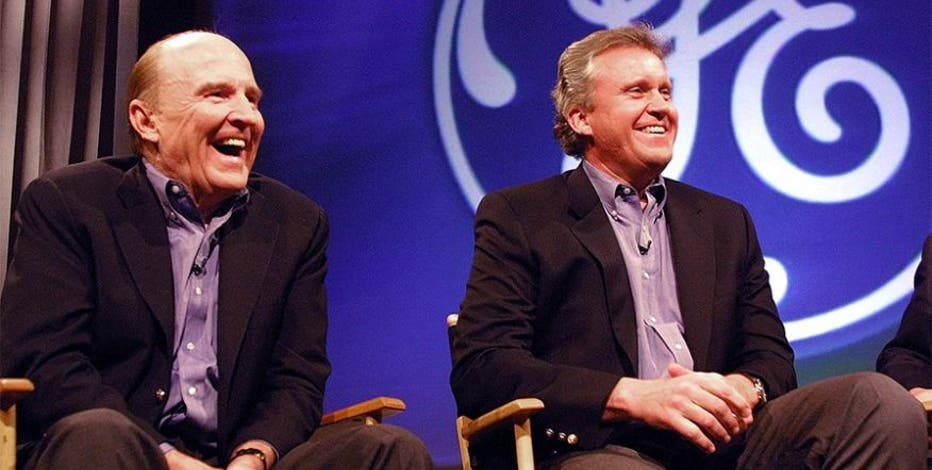
In 2001, Jeff Immelt, who once ran GE’s Medical Systems business, beat out two of his colleagues for the coveted spot: Robert Nardelli, president and CEO of GE Power Systems, who went on to lead Home Depot and James McNerney, head of GE Aircraft Engines, who later led 3M and then Boeing. Welch is on fire over the state of the company today, while Nardelli told reporters in June he is “heartbroken” after GE was yanked from the Dow Jones Industrial Average.
2. Financial crisis hits GE, Buffett to the rescue
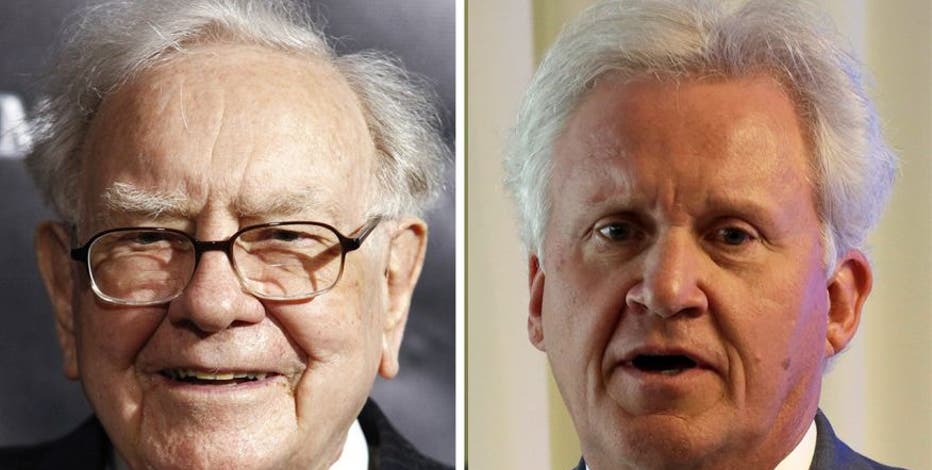
The financial crisis of 2008 rocked many CEOs, and Jeff Immelt was no exception. GE Capital, the finance arm of the industrial giant, then accounted for nearly 40% of company profits. As investors dumped banking stocks en masse that October, GE was caught in the fray. Immelt struck a deal with billionaire Warren Buffett’s Berkshire Hathaway which invested $3 billion in the company, essentially extending it a lifeline. At the time, Buffett also offered his emotional support. “GE is the symbol of American business to the world. I have been a friend and admirer of GE and its leaders for decades. They have strong global brands and businesses with which I am quite familiar. I am confident that GE will continue to be successful in the years to come,” said Buffett in a statement.
3. Immelt moves to diversify the conglomerate
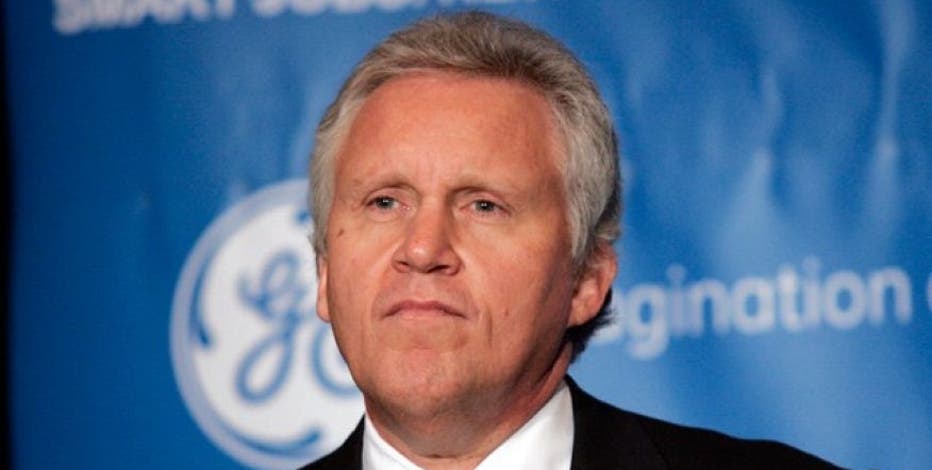
During his 16-year tenure as CEO, Immelt diversified the industrial company. For example, GE whittled down its finance arm, GE Capital, to become a simpler enterprise. It also sold its appliance unit to Chinese manufacturer Haier for $5.6 billion. At the same time Immelt was pushing into areas such as the ‘Internet of Things’ and he also took a stake in oil giant Baker Hughes, as oil prices stagnated. His strategy irked longtime investors who feared GE was becoming too complicated. Even after Immelt’s resignation in June 2017, the strategy continues to dog the company. “We see no quick fix to GE’s problems as years of financial engineering, complex reporting and mis-aligned incentives are coming to bear,” wrote Goldman Sachs analyst Joe Ritchie in October 2017.
4. Nelton Peltz’s Trian pushes for change
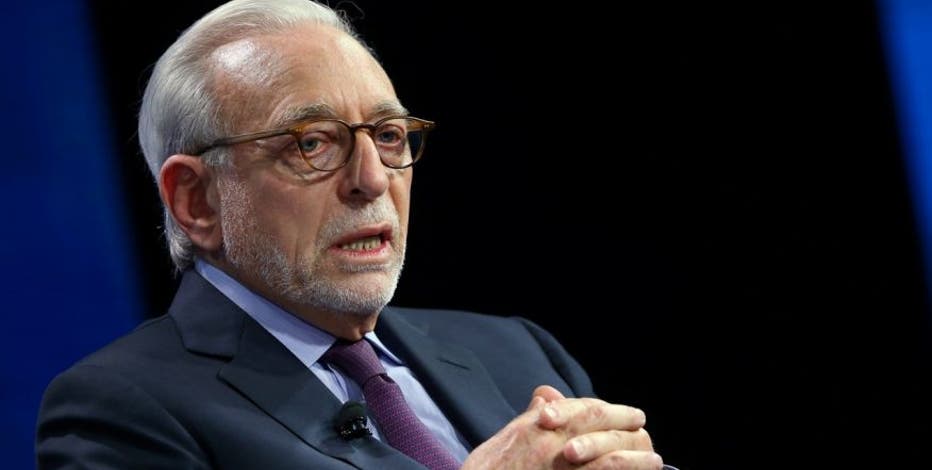
Activisit Nelson Peltz was growing antsy over GE and in March 2017 a report showed that CEO Jeff Immelt’s job was in trouble. Peltz and his team were turning up the heat on Immelt for missing key performance metrics, this as the stock was consistently underperforming the broader market for years. By June, Immelt had resigned, promising a smooth handoff to incoming CEO John Flannery. However, the company was about to enter one of its most rocky periods in its 125-year history.
5. GE insider John Flannery named CEO, later ousted in 2018
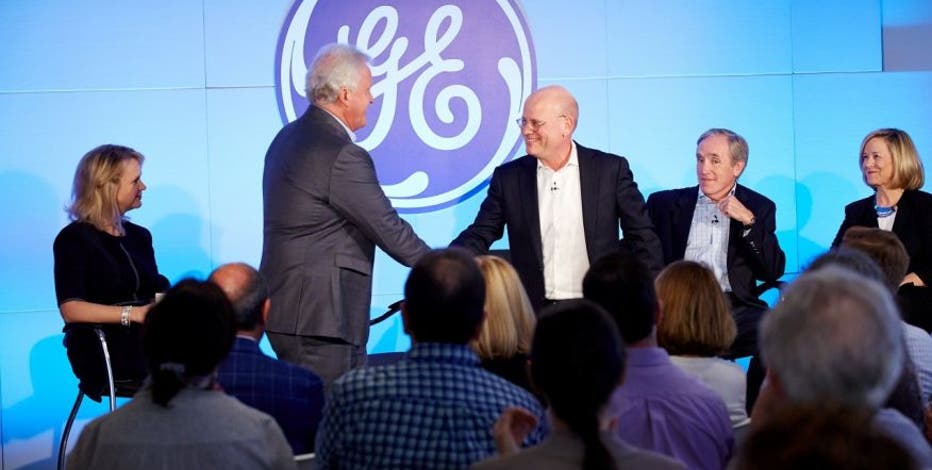
GE insider John Flannery, who led a turnaround at GE Healthcare, became the company’s 11th CEO following the resignation of Jeff Immelt in June 2017. He officially took the helm that August. Despite the familial changing of the guard, Flannery was inheriting a basket of issues, including whether or not the company’s generous dividend could be saved. On the July earnings call, Immelt’s last, CFO Jeff Bornstein addressed the elephant in the room. “John and I are reviewing our capital allocation plan for the year. Dividend remains our priority,” he said. Investors were skeptical — and rightfully so — as the dividend got slashed that fall by 50%.
On October 1, 2018, Flannery was booted, effective immediately, and was replaced by former Danaher CEO Lawrence Culp, who is also a GE board member. Culp won praise from several investors after the announcement.

6. GE slashes dividend, crushes widow & orphan investor base
In efforts to conserve capital, GE cut its dividend in half last November, an upshot of a broad review of the company under new CEO John Flannery. At the company’s investor day, Flannery promised to “Simplify + concentrate on GE of the future” as outlined in the company presentation.
Still, investors signaled they won’t wait around. Once coined the stock for widows and orphans, firms such as Morgan Stanley began removing GE from investment portfolios. GE also came under fire for having the second-largest corporate board among S&P 500 components. The board also came under fire for being asleep at the wheel. On October 30 2018, the company yet again slashed its dividend to one cent.
7. Dow boots GE after 110+ years
Bye-Bye GE.…In June, the team at S&P Dow Jones Indices removed the industrial icon from the Dow Jones Industrial Average after over 110+ years. “General Electric was an original member of the DJIA in 1896 and a member continuously since 1907,” said Dave Blitzer, managing director and chairman of the index committee.“Since then the U.S. economy has changed: consumer, finance, health care and technology companies are more prominent today and the relative importance of industrial companies is less.” GE was replaced by Walgreens Boots Alliance.