

Optometry is a health profession that studies the complex human visual system to prevent, detect and solve visual problems, its objective is to obtain the maximum visual efficiency, the highest performance with the least fatigue.
Optometry deals with the problems generated when the person’s visual abilities are not adequate to overcome the demands imposed by the socio-cultural environment.
It deals with the relationship and interaction of light stimuli with the individual. The eyes are the organs of reception of the visual stimuli and we see through them, but we only understand and learn through the vision that is a multisensory, perceptive and cognitive process. Vision is the ability to process information from the environment, obtain meaning and understand what is seen.
Therefore, in addition to evaluating the refractive state of the eyes, optometry studies all aspects related to vision, such as development, learning, binocular dysfunctions, postural habits and distance from reading, lighting, etc.
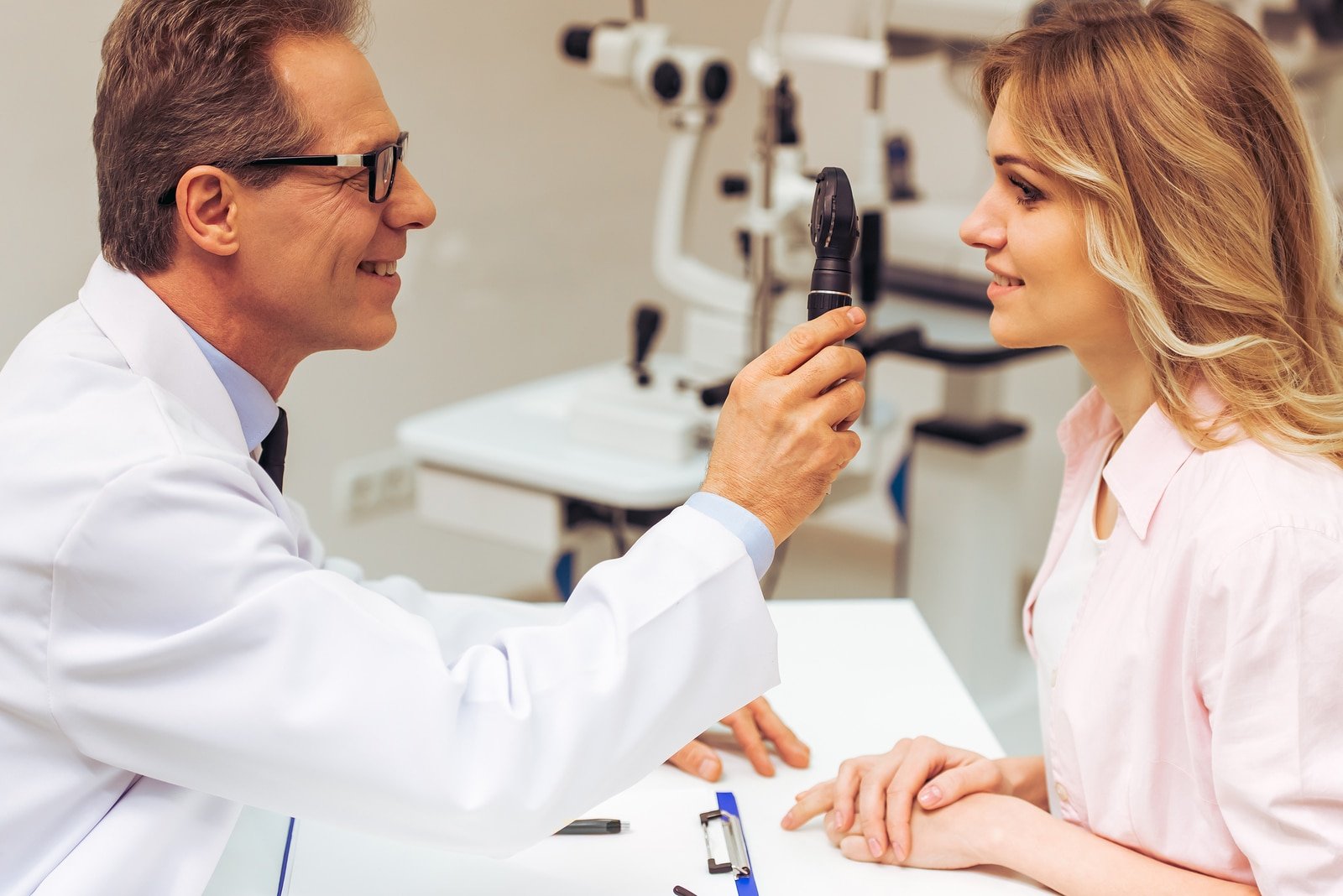
The optometrist is a health professional who is responsible for the functionally inadequate visual system. Measures and evaluates the refractive and functional state of the visual system, in order to help the person to take full advantage and performance to his vision, either through glasses, contact lenses, low vision aids, rules of visual hygiene or therapy .
According to the International League of Optics and Optometry, the optometrist is a university professional trained and legally authorized to determine the state of health and the functional assessment of the refractive, accommodative, motor, sensory and perceptual state of the visual apparatus.
The corresponding teachings enable graduates to perform the optometric examination, prescription of lenses and adaptation of contact lenses and optical systems, such as low vision aids. They are also trained to recognize and treat those conditions that require visual therapy or preventive procedures to compensate for visual anomalies.
They can detect systemic abnormalities reflected in the eyes and, whenever necessary, refer the patient to the ophthalmologist or appropriate healthcare professional. It is not uncommon for an optometrist to be the first contact in the detection of unsuspected systemic disorders such as hypertension, diabetes, cholesterol problems, demyelinating diseases or brain tumors.
An optometrist can specialize in various fields, such as refraction, contact lens fitting, child vision, geriatric vision, low vision, vision at work and sports vision, as well as in the carving and assembly of lenses, or in the supply, verification and control of adequate means for the prevention, detection, protection, compensation and improvement of vision.
If you have questions or need more information, contact the specialists of the Optometrists portal in Mérida.